Morocco Packing List for Australian Travelers (2026 Guide)
Plan your perfect trip with our comprehensive Morocco packing list for Australian travelers. From Sahara dunes to Taghazout surf, we've got you covered.
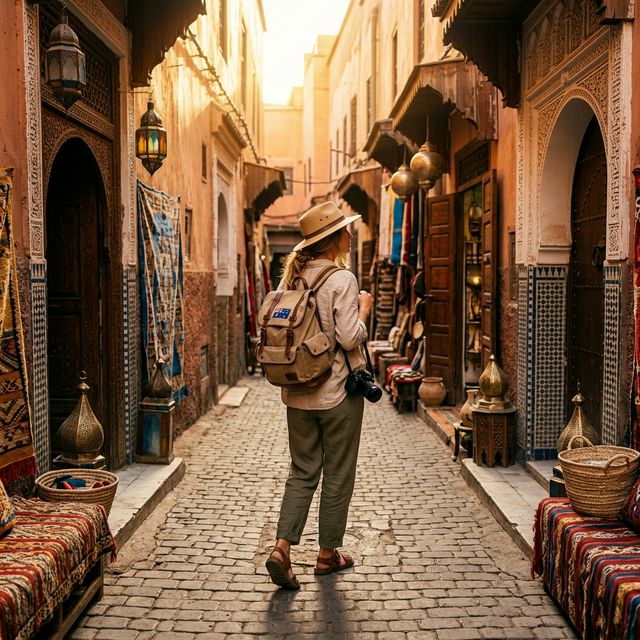
Packing for Morocco can be a bit of a puzzle. You’re balancing the dry heat of the Sahara, the cool Atlantic breeze of the surf coast, and the modest cultural expectations of ancient medinas—all while trying to keep your suitcase light for those narrow riad staircases.
For Australian travelers making the long-haul trek from the southern hemisphere, packing correctly isn’t just about comfort; it’s about being prepared for a climate that can swing from 40°C in the desert to a chilly 10°C on a coastal night.
In this guide, we’ll break down exactly what to pack for Morocco, from the streets of Marrakech to the breaks of Taghazout, ensuring you have everything you need (and nothing you don’t).
1. Understanding the Moroccan Climate: A Quick Breakdown
Morocco is geographically diverse, and your packing list needs to reflect that.
- The Cities (Marrakech, Fes): Dry heat during the day, cooling down significantly at night.
- The Coast (Essaouira, Taghazout): Much cooler and windier. You’ll need a light jacket even in summer.
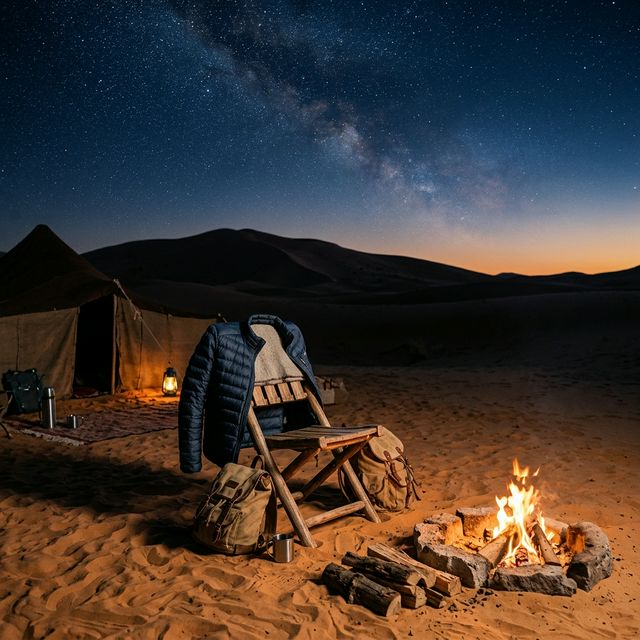
- The Sahara Desert: Extreme temperature swings. Boiling hot days and surprisingly cold nights.
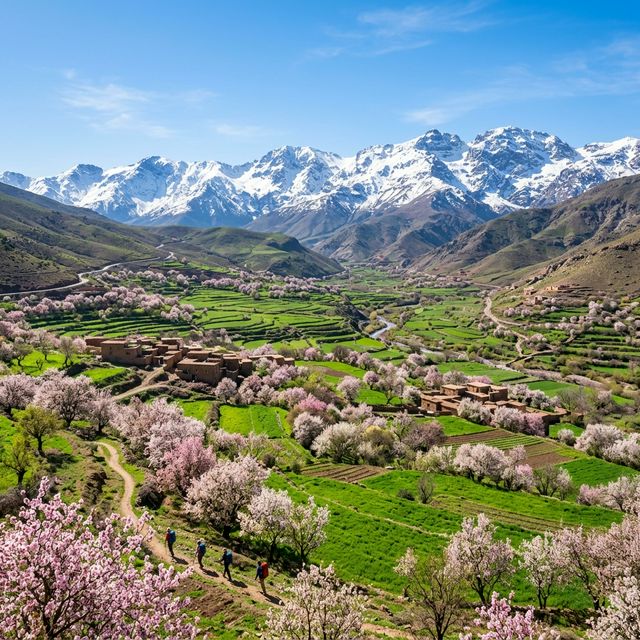
- The High Atlas Mountains: Much colder than the cities. If you’re hiking, winter gear is essential from November to March.
🎵 Special Event Note: Gnawa Festival (June 25-27, 2026)
If your trip coincides with the Gnawa & World Music Festival in Essaouira, your packing needs will shift. Expect massive crowds, hot days, and windy Atlantic nights. Comfortable walking shoes and a windbreaker are non-negotiable for late-night music sessions!
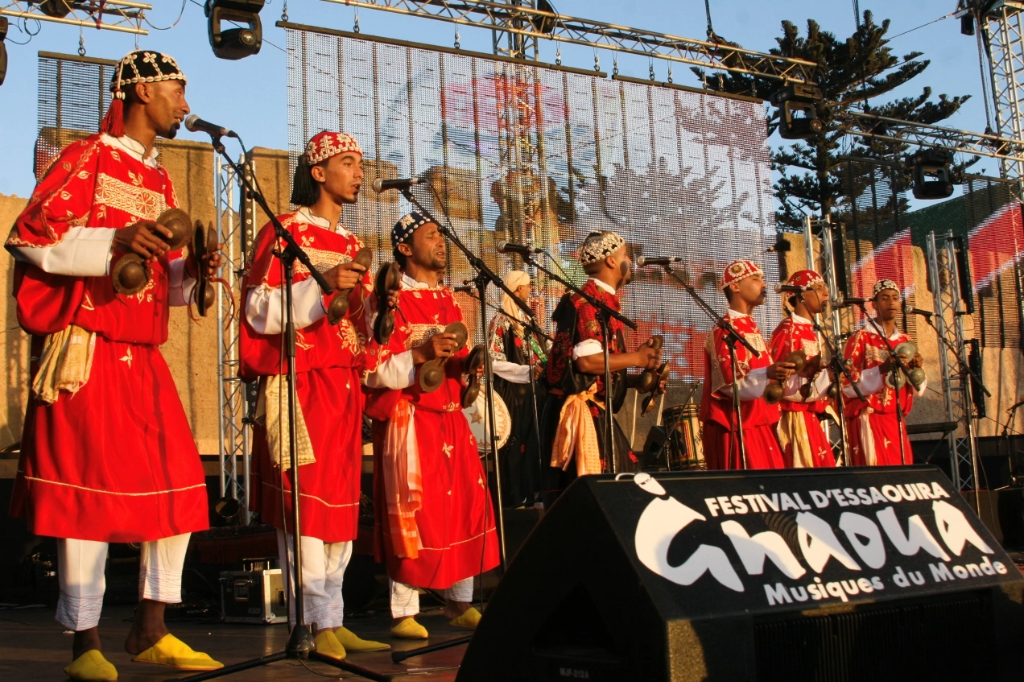
Tip: The atmosphere is electric, but the Atlantic wind (‘Alizée’) can get chilly once the sun goes down.
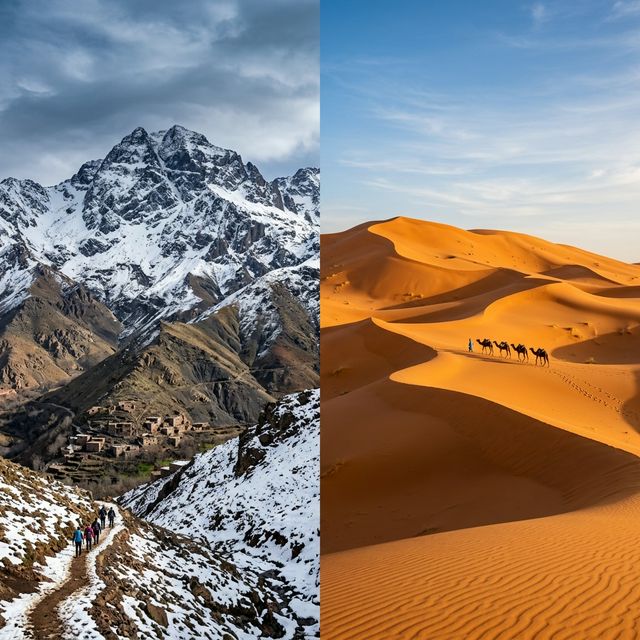
[!TIP] Check the season: If you’re visiting in winter (Dec-Feb), bring more layers than you think you’ll need. Moroccan riads are beautiful but often have poor insulation!
2. Essential Clothing for Morocco (Modesty Meets Comfort)
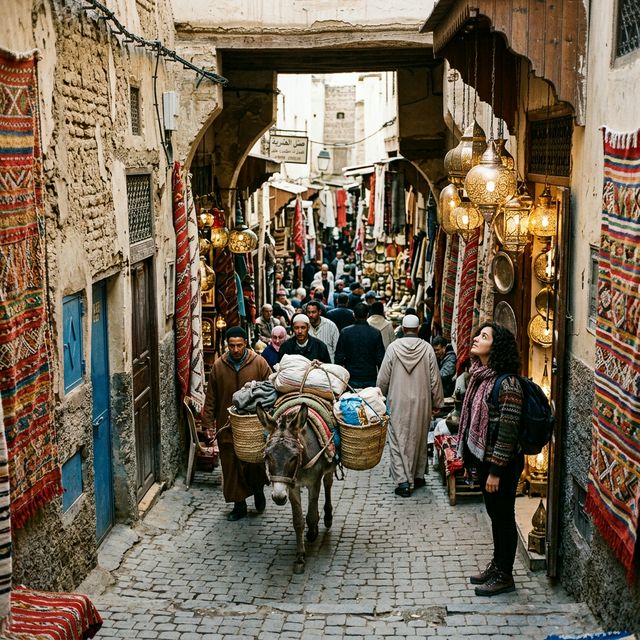
Morocco is a conservative country, and while tourist areas are relaxed, showing respect through your clothing choice will make your experience much smoother. High street “resort wear” that works in Bali might not be the best fit for a stroll through the Fes medina.
The “Rules” for Both Men and Women:
- Cover Your Shoulders and Knees: This is the baseline for respectful travel in Morocco.
- Breathable Fabrics: Linen and cotton are your best friends. Avoid synthetics that trap heat.
For Women:
- Maxi Dresses and Skirts: These are perfect. They’re cool, modest, and look great in photos.
- Loose Linen Trousers: A staple. Pair them with a simple t-shirt.
- Light Scarf/Pashmina: The most versatile item in your bag. Use it to cover your shoulders in mosques, protect from the sun, or wrap around your face in a desert sandstorm.
- Swimwear: Totally fine in riad pools and coastal resorts, but wear a cover-up when walking to and from the water.
For Men:
- Chinos or Lightweight Trousers: Better than jeans for the heat.
- Polo Shirts and Linen Shirts: Regulate temperature well and look a bit sharper than a standard tee for dinner.
- Board Shorts: Keep these for the beach or pool.
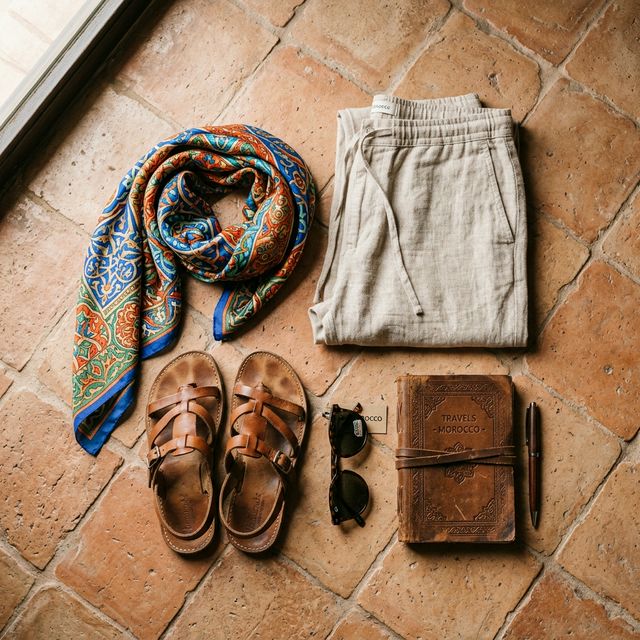
Don’t Leave Home Without Cover
Flying from Australia to Morocco is a 20+ hour journey. Between flight delays, lost luggage in Dubai or Doha, and the occasional “Medina Tummy,” travel insurance is non-negotiable. We never travel without a solid policy that covers medical emergencies and adventure activities like camel trekking.
3. The Sahara Desert Packing List
Heading to Merzouga or Zagora? The dunes require a specific kit.
- Warm Layers for Night: Even in summer, the desert temperature can drop to 5-10°C at night. A lightweight puffer jacket or a warm fleece is essential.
- Closed-Toe Shoes: Sand gets hot, and you’ll want protection if you’re walking around camp or trekking.
- Sunglasses and Hat: The glare in the dunes is intense.
- Moisturiser and Lip Balm: The desert air is incredibly dry. Your skin will thank you.
- Power Bank: Charging points in desert camps can be limited.
4. Surf and Coastal Packing List (Taghazout & Imsouane)
If you’re heading south to Morocco’s Atlantic coast, the vibe shifts from “ancient city” to “laid-back surf.”
- Light Windbreaker: The Atlantic wind (the ‘Alize’) is famous in Essaouira and Taghazout.
- Surf Gear: While you can rent everything, many Australians prefer bringing their own rashie or a light 3/2mm wetsuit if planning a long stay.
- Beach Towel: A lightweight Turkish towel (Peshtemal) is perfect as it dries quickly and takes up zero space.
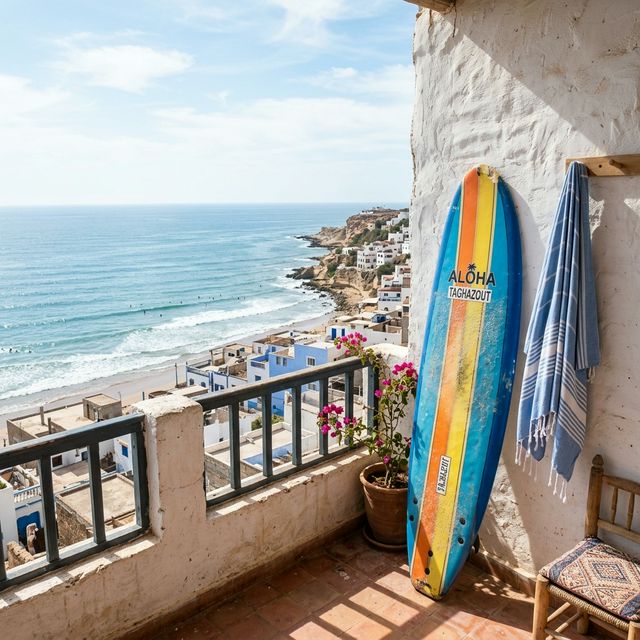
Internal link: Learn more about surfing in Taghazout.
Stay in an Authentic Riad
The best way to experience Morocco is by staying in a traditional Riad. From the hidden courtyards of Marrakech to the surf lodges of the coast, booking your accommodation in advance is the key to a stress-free trip.
5. Travel Tech Essentials for Australians
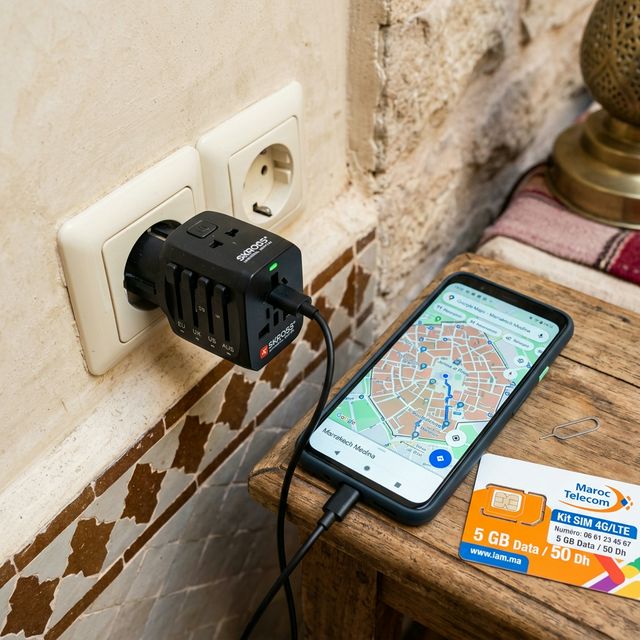
Australian plugs don’t work here, so let’s sort your tech.
- Universal Power Adapter: Morocco uses the Type C and Type E (European) plugs.
- Local SIM Card: You can grab a Maroc Telecom or Orange SIM at the airport for about $15 AUD. It’s much cheaper than roaming.
- Offline Maps: Download Google Maps for Marrakech and Fes. The medinas are a maze, and you will get lost (it’s part of the fun!).
6. What NOT to Bring to Morocco
Save space by leaving these at home:
- Flashy Jewellery: Keep it simple to avoid unwanted attention.
- Heels: The cobblestones and uneven paths of the medinas will destroy them (and your ankles).
- Too Many Heavy Clothes: You can get laundry done cheaply at most riads.
- Inflexible Plans: Morocco runs on “Insha’Allah” time. Bring a sense of adventure instead.
7. Pro Tips from the Experts
- The Scarf Trick: We mentioned it before, but buy a high-quality cotton scarf on your first day. It’s your most useful accessory.
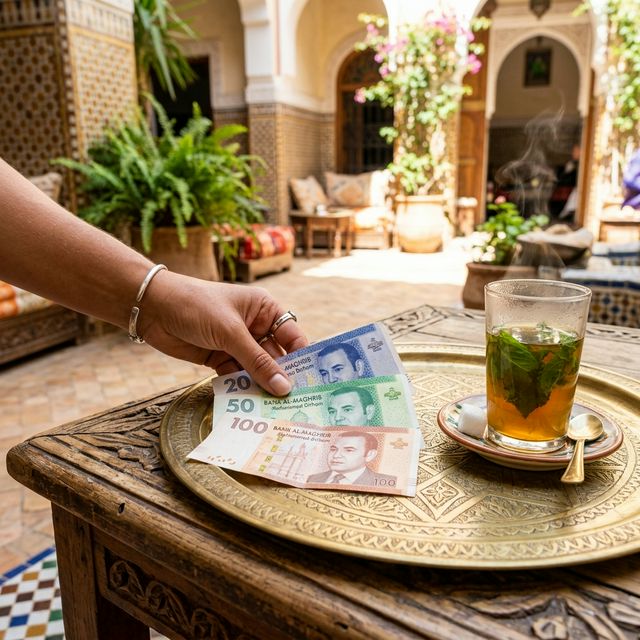
- Carry Small Cash: Many places don’t take cards. Keep 20 and 50 Dirham notes handy for tips and small purchases.
- Language: A few words of Darija (Moroccan Arabic) or French go a long way. “Shukran” (thank you) is essential.
Gear Up for Your Adventure
A good travel backpack and comfortable walking shoes are the foundation of a successful Morocco trip. We recommend investing in a breathable daypack and sturdy sandals that can handle the Marrakech heat and the desert sand.
Frequently Asked Questions (FAQ)
Is Morocco safe for Australian tourists?
Yes, Morocco is considered safe for Australian travelers. As with any international destination, it’s important to be aware of your surroundings. For a deeper dive, check out our guide: Is Morocco Safe for Australian Tourists?.
Do Australians need a visa for Morocco?
No, Australian passport holders currently do not need a visa for stays of up to 90 days. Always check the latest on Smartraveller before you fly.